The Millennial Generation in 2026: Who They Are and How to Market to Them
The generation that grew up watching the internet arrive is now between 30 and 45 years old. Millennials aren't the young, emerging consumers anymore — they're running teams, raising kids, paying (or not paying) mortgages, and holding the largest collective spending power of any generation. That shift changes everything about how you market to them.
And here's the part most brands get wrong: they still market to millennials like it's 2015. But this is a generation that has been marketed at for two decades, and it shows. They're skeptical, value-conscious, and far harder to impress than the "digital natives" cliché suggests.
So let's look at who millennials actually are in 2026, what really drives their decisions, and how marketing to them differs from marketing to Gen Z.
Who millennials are in 2026 (the real numbers)
Millennials — also called Generation Y — are the population born between 1981 and 1996, according to the Pew Research Center. That range was chosen around defining events like 9/11 and the explosion of the internet. In 2026, that puts them at roughly 30 to 45 years old.
Here's the current picture, not the decade-old projections:
Metric | Figure | What it means |
|---|---|---|
Age range (2026) | ~30–45 years | Established adults, not young consumers |
US population | ~74 million (~22%) | One of the largest generations |
Share of US workforce | ~36% (largest of any generation) | More than 1 in 3 workers |
Global spending power | ~22.5% of the total | Enormous collective buying influence |
Projected buying power | $10+ trillion by 2030 | Peak earning years ahead |
US and global figures, most recent available data. Sources at the end.
The headline: millennials are now the economic center of gravity — the biggest slice of the workforce and, increasingly, of spending. But that's only half the story, and the other half is the one brands usually miss.
The wealth gap that explains their spending
Here's what the "millennials love avocado toast" takes never mention: millennials hold only about 10.3% of US wealth, compared to roughly 51.4% for Baby Boomers — despite the two generations being similar in size.
That gap explains far more of their behavior than any personality trait. A generation that entered the workforce around the 2008 financial crisis, carries heavy student debt, and faces a brutal housing market doesn't spend like its parents did. It spends carefully, prioritizes value, and — tellingly — three out of four millennials prefer spending on experiences over things.
For a marketer, this is the single most useful insight about the generation. Millennials aren't cheap; they're value-conscious and experience-driven because their economic reality made them that way. Sell them status symbols and you'll lose. Sell them value, meaning and a genuine experience, and you'll win.
What actually defines millennials (beyond 'they saw the internet')
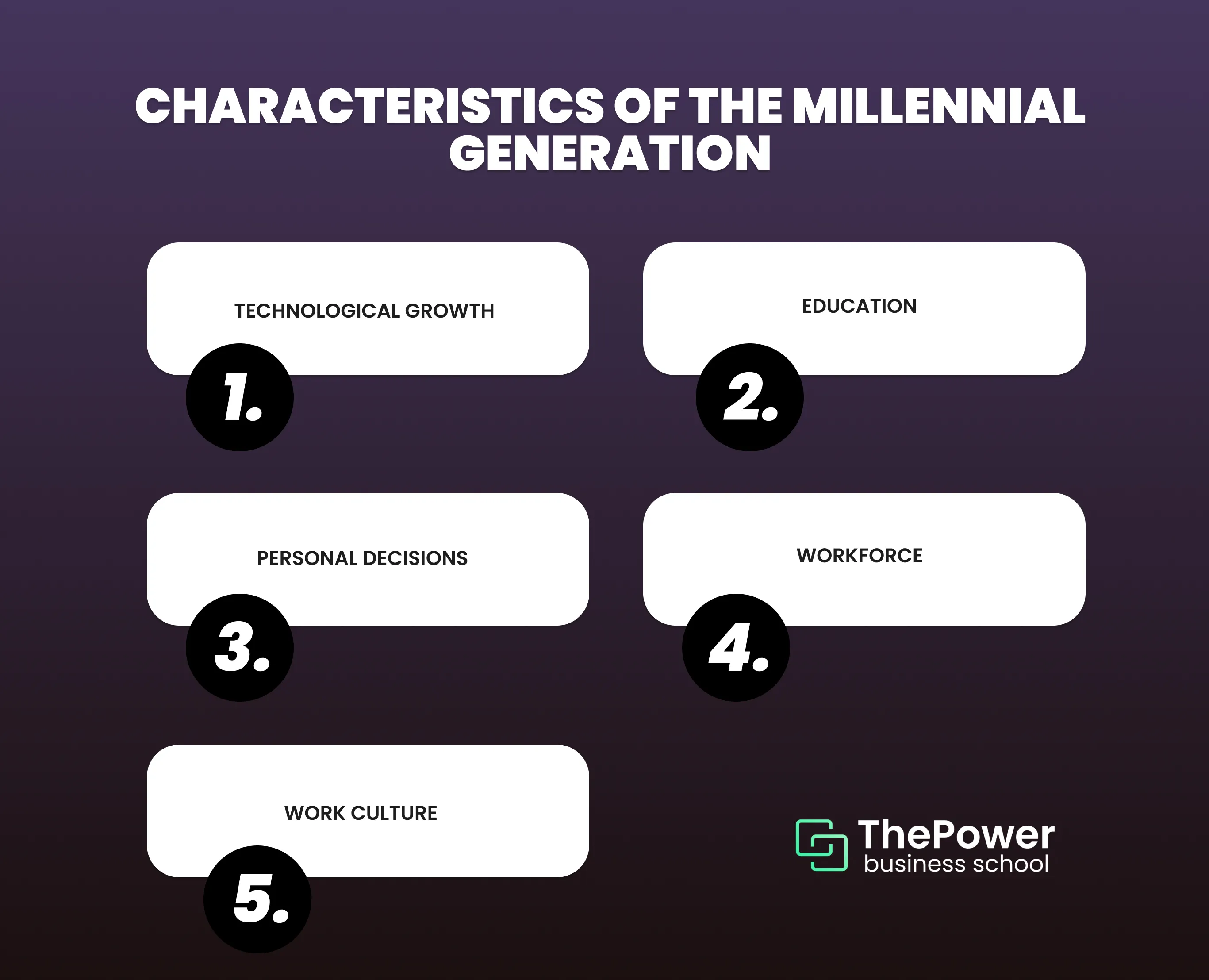
The old article listed traits like "technological growth" and "they witnessed the internet boom." True, but useless for a marketer. Here's what actually matters about how millennials think and buy in 2026:
They're digitally fluent, not digitally obsessed. Millennials adopted technology as adults, so they use it deliberately rather than compulsively — a real difference from Gen Z, who were shaped by it from birth.
They value experiences over ownership. From travel to dining to events, millennials consistently spend on doing over having. This reshaped entire industries (the rise of the experience economy is largely their doing).
They expect purpose. Millennials pushed brands toward social responsibility and purpose-driven messaging in the first place. They notice, and reward, companies whose values are real — and punish the ones faking it.
They redefined work. With 65% preferring flexible or remote arrangements, millennials drove the shift to remote work, the rise of freelancing, and the expectation that a job should offer growth, not just a salary.
How to market to millennials in 2026
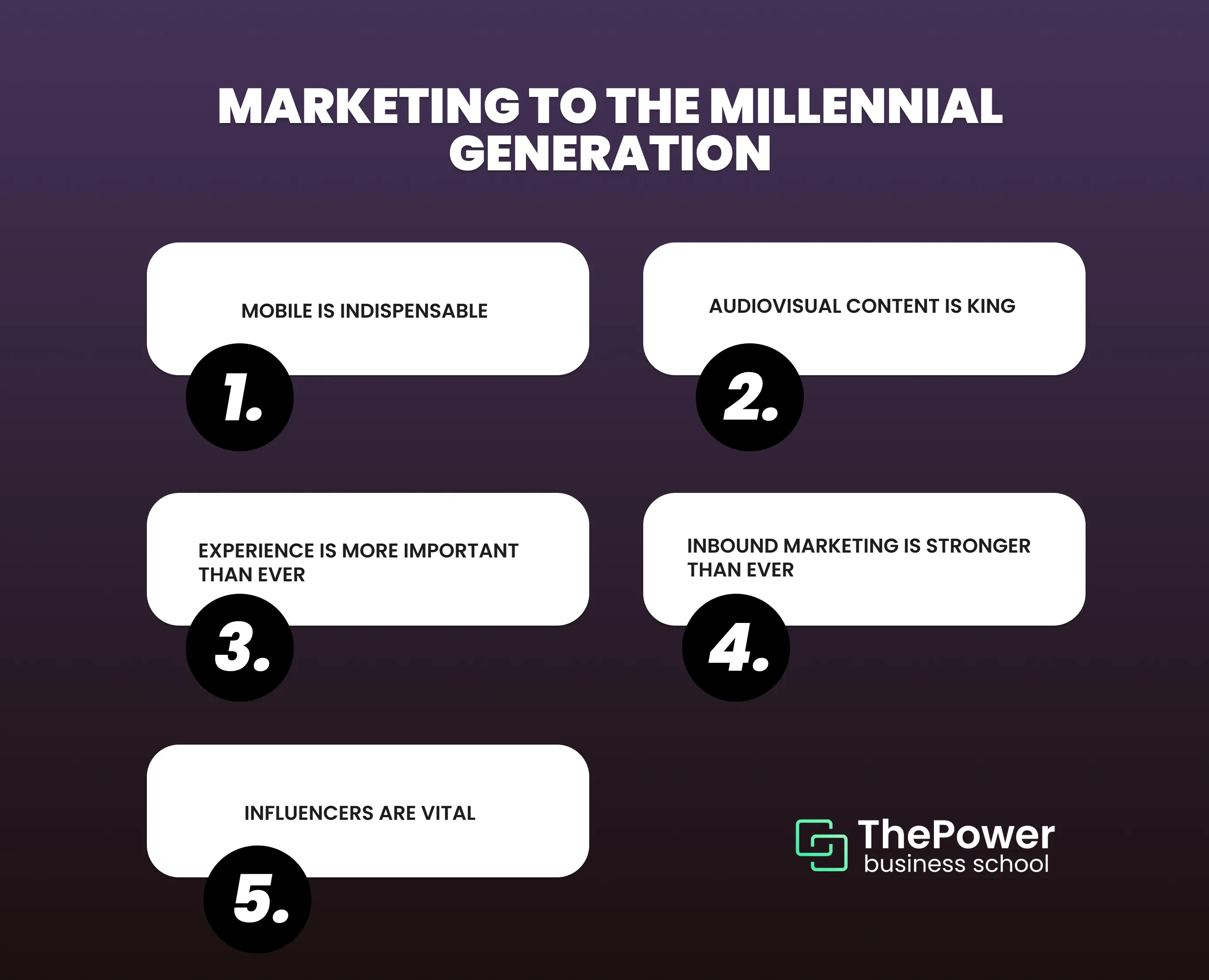
Marketing principles haven't changed, but what works with millennials has — because they've grown more skeptical with every campaign they've seen. Five things matter most now:
1. Authenticity beats polish. Over-produced, glossy advertising reads as fake to a generation raised on it. Honest messaging — including trade-offs and limitations — outperforms flawless highlight reels.
2. Micro-influencers over mega-celebrities. The mega-influencer era is fading. 73% of young consumers now prefer smaller, niche creators, and 62% are exhausted by seeing the same big names endorse everything. A relatable creator with 10,000 engaged followers now beats a celebrity with millions.
3. Mobile and video are the default. Millennials, alongside Gen Z, are the heaviest mobile users. Short-form video (Reels, Shorts, TikTok) and a flawless mobile experience aren't optional — they're the baseline.
4. Content that helps, not sells (inbound). Millennials research heavily before buying. Content that genuinely answers their questions and solves problems builds the trust that converts, far more than interruptive advertising.
5. Sell the experience and the values. Given their experience-over-things bias and demand for purpose, the brands that win frame the experience and meaning of a purchase, not just its features.
Millennials vs Gen Z: don't market to them the same way
Lumping millennials and Gen Z together as "young digital people" is the most expensive mistake in generational marketing. They overlap, but they buy differently:
Dimension | Millennials (1981–1996) | Gen Z (1997–2012) |
|---|---|---|
Relationship to tech | Adopted it as adults; deliberate | Shaped by it from birth; instinctive |
Trust | Built over time; brand reputation matters | Demands transparency instantly; pros and cons |
Content style | Values quality and usefulness | Rewards raw, lo-fi, unpolished authenticity |
Buying trigger | Value, experience, purpose | Peer proof, speed, real-time interaction |
Life stage (2026) | Careers, families, mortgages | Students, early career, first budgets |
Generational ranges per Pew Research Center; behavioral traits are broad tendencies, not rules.
The practical takeaway: millennials respond to substance and value proven over time; Gen Z responds to speed, transparency and unpolished realness. A single campaign trying to do both usually lands with neither. Segment them, and your message sharpens immediately.
Millennials aren't the future of your market anymore — they're the established, high-spending core of it, and they've earned their skepticism. The brands that win with them in 2026 lead with authenticity, value and genuine experience, treat them as the mature audience they are, and never confuse them with Gen Z.
Getting this right — segmenting audiences and building marketing that actually fits them — is a core skill we teach at ThePowerMBA, applied to real projects. Explore ThePower's marketing programs →
FAQs about the millennial generation
What years are millennials born, and how old are they in 2026?
Millennials (Generation Y) were born between 1981 and 1996, according to the Pew Research Center. In 2026, that makes them roughly 30 to 45 years old — established adults in their peak career and spending years, not the young consumers they're often still portrayed as.
Are millennials really the generation with the most spending power?
Collectively, yes — they're the largest share of the workforce (~36% in the US) and their buying power is projected to pass $10 trillion by 2030. But there's a catch: they hold a much smaller share of accumulated wealth than Boomers (~10% vs ~51%), which is why they spend cautiously and prioritize value and experiences.
What's the biggest mistake brands make marketing to millennials?
Two, usually. First, over-polished, inauthentic advertising — this generation has seen it all and distrusts it. Second, treating them like Gen Z. Millennials are older, more established, and respond to value and proven substance, while Gen Z rewards speed and raw authenticity. A single message for both rarely works.
Do millennials still trust influencers?
Yes, but the type has shifted. 73% of young consumers now prefer smaller, niche creators over mega-celebrities, and trust content that's honest about pros and cons far more than flawless endorsements. Micro-influencer partnerships tend to outperform celebrity deals with this audience.
How are millennials different from baby boomers as consumers?
Millennials research online before buying, prioritize experiences over ownership, expect brands to have real values, and hold far less accumulated wealth than Boomers did at the same age. Boomer marketing playbooks — built on traditional media and status-driven ownership — largely don't work on them.
Looking for Something Specific?
You can also explore our categories.